
October 28, 2025
Taking Flight: My Journey into Aerial Photography
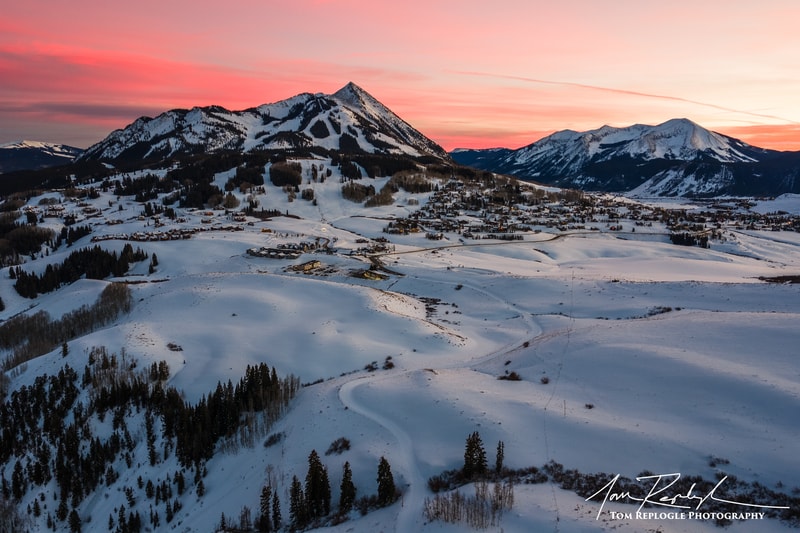
I still remember my first drone flight like it was yesterday. My hands were sweaty, my heart was racing, and I was absolutely certain I was about to crash my brand-new drone into a tree within the first 30 seconds. Spoiler alert: I didn’t crash (that day, anyway), and that nervous first flight opened up an entirely new dimension in my photography journey.
The Revelation
For years, I’d been photographing landscapes from ground level, always looking up at mountain peaks or across valleys, limited by the perspective available from roads and hiking trails. Then I saw an aerial photograph of a winding river cutting through autumn forests, and something clicked. The patterns, the perspective, the geometry of the landscape from above—it was like seeing the world through completely new eyes.
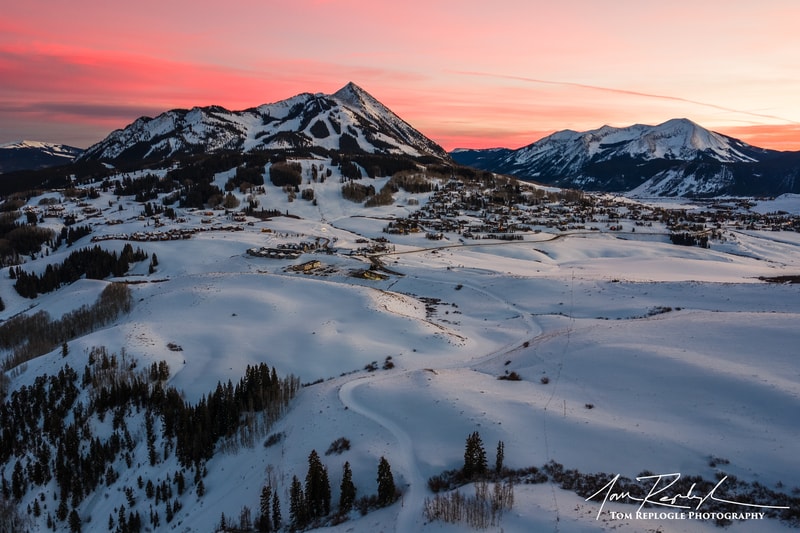 One of my first successful aerial captures
Starting Out: The Learning Curve
Let’s be honest—drone photography isn’t intuitive at first. You’re essentially learning to see in three dimensions while controlling a flying camera through a screen. Here’s what surprised me most about getting started:
The Technical Learning
Beyond basic flight controls, I had to learn:
- How to read weather conditions (wind is your enemy)
- Understanding battery life limitations
- Mastering composition from directly overhead
- Dealing with changing light at altitude
- Managing the drone’s camera limitations
The Legal Aspects
This was the least fun but most important part. I spent time understanding:
- FAA regulations and Part 107 certification
- No-fly zones and airspace restrictions
- Permission requirements for different locations
- Privacy and ethical considerations
The Creative Challenge
The biggest surprise? Aerial photography requires completely rethinking composition. The rules of thirds still apply, but leading lines, patterns, and shapes become far more important than traditional landscape elements.
Finding My Aerial Style
It took dozens of flights before I started developing my own approach to aerial photography. I realized I was drawn to:
- Geometric patterns in agriculture and urban landscapes
- Leading lines created by rivers, roads, and coastlines
- Top-down perspectives that create abstract compositions
- Golden hour side-lighting that reveals texture and depth
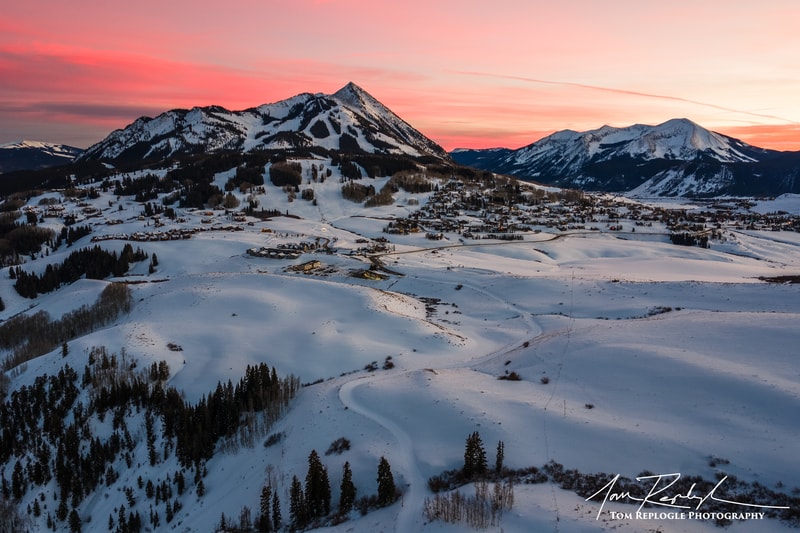 Agricultural patterns revealed from above
Essential Gear and Setup
My current aerial photography kit has evolved over time, but here’s what I rely on:
Primary Drone: DJI Mavic 4 Pro
- Excellent image quality with 1-inch sensor
- Compact enough for hiking to remote locations
- Reliable in moderate wind conditions
Backup Equipment:
- Extra batteries (at least 4-5 for serious shoots)
- Neutral density filters for controlling exposure
- iPad for larger viewing screen
- Landing pad for rough terrain
Lessons from the Sky
After hundreds of flights, here are the most valuable lessons I’ve learned:
Patience is Everything
The best aerial images often require waiting for perfect conditions. I’ve returned to the same location five or six times waiting for the right combination of light, weather, and seasonal conditions.
Safety First, Always
I’ve walked away from potentially amazing shots because conditions weren’t safe. No image is worth risking people, property, or your drone. Period.
Scout from the Ground
I always walk a location first before flying. This helps me understand the landscape, identify potential obstacles, and plan shots more effectively.
Light Still Rules
Just because you can fly doesn’t mean you should fly during harsh midday sun. Golden hour is just as important in aerial photography—maybe more so, as side-lighting reveals textures invisible from above in flat light.
The Unexpected Benefits
Aerial photography has changed how I see the world, even when I’m not flying. I notice patterns, lines, and compositions I never would have seen before. It’s made me a better photographer overall, not just when the drone is in the air.
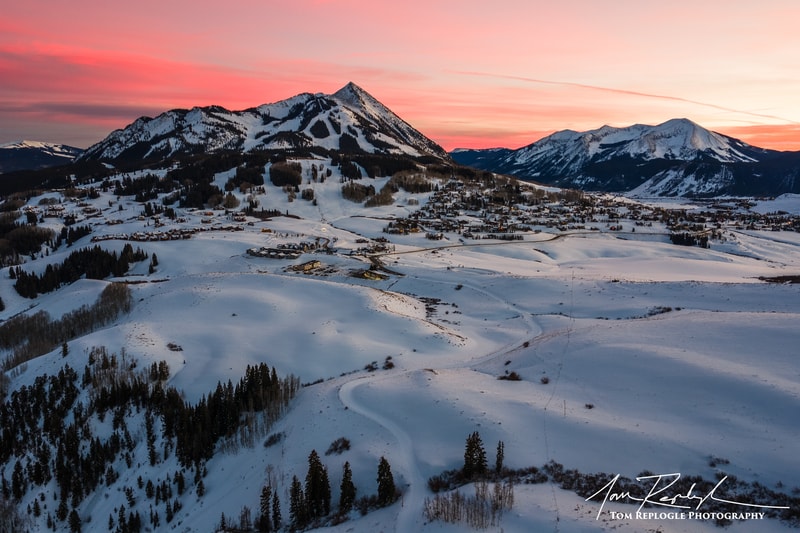 Aerial photography changes how you see everything
Challenges I’m Still Working On
Even after all these flights, there are challenges I face on every shoot:
- Dynamic range: Balancing bright skies with darker ground remains tricky
- Compression: Drone cameras still can’t match full-frame quality
- Weather dependency: Wind, rain, and cold all limit flying opportunities
- Battery anxiety: That low-battery warning never stops being stressful
Looking Forward
Aerial photography has become an essential part of my creative toolkit. It’s opened up locations that were previously inaccessible, revealed patterns and perspectives I never knew existed, and continues to challenge me to think differently about composition and light.
If you’re considering getting into aerial photography, my advice is simple: start with proper training, respect the regulations, practice constantly, and be patient with yourself. Those first shaky flights will give way to confident compositions, and you’ll discover a whole new world above.
The sky really is the limit—literally.