
January 28, 2026
From Passion to Profession: Building a Photography Business
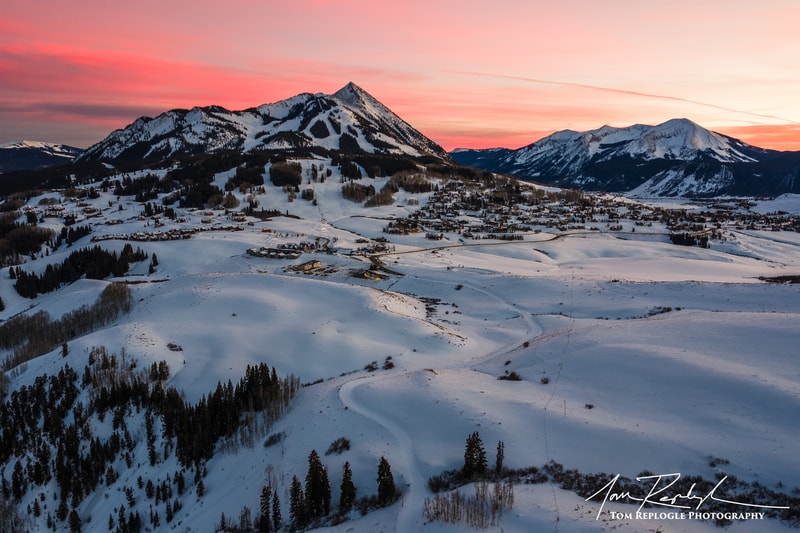
I still remember the moment when someone first asked to purchase one of my prints. I was standing in a local coffee shop, showing a friend some recent shots from a trip to Red River Gorge, when the owner walked over and asked if she could buy one for the shop’s wall. That simple question—“Would you sell this?”—planted a seed that would eventually grow into a full-time career.
The transition from passionate hobbyist to professional photographer wasn’t something I planned meticulously. It happened organically, through a series of small steps, each one building confidence and revealing new possibilities. But looking back, there were definitely strategic decisions and hard lessons that shaped the journey.
The Side Hustle Phase
For nearly two years, photography remained a side project while I kept my day job. This wasn’t just financial caution—though that mattered—it was also about testing the waters. Could I deliver work on deadlines? Did I enjoy the business side, or just the creative aspects? Would clients value my particular style and approach?
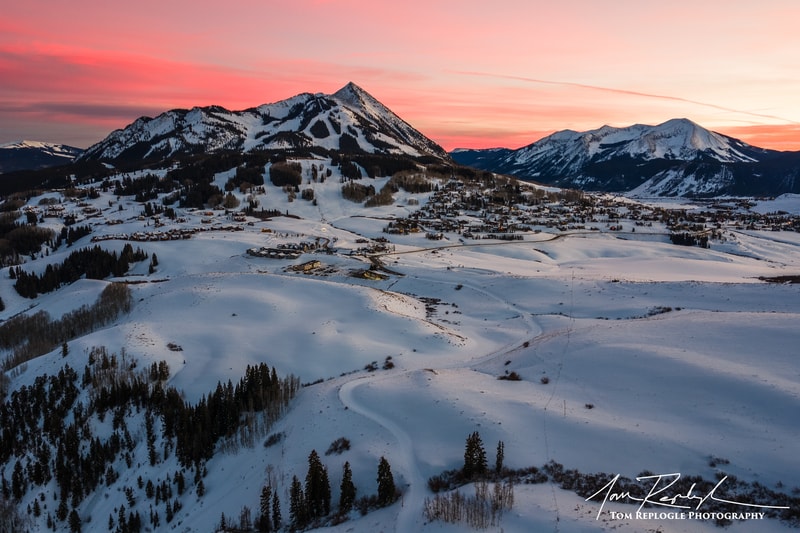
I started small: local real estate photography, portraits for friends (who insisted on paying), and slowly building a portfolio of landscape work. Each client interaction taught me something. The real estate work refined my technical skills and deadline discipline. The portraits taught me how to communicate with clients and manage expectations. The landscape work kept my creative fire burning.
The Pricing Struggle
Let’s be honest—pricing your own work is brutally difficult. Undervalue yourself, and you’ll burn out working for pennies while resentful of your craft. Overvalue yourself without proven quality, and you’ll sit waiting for clients who never materialize.
My breakthrough came from shifting my mindset. Instead of thinking “What am I worth?” I started asking “What value am I providing?” A landscape print isn’t just ink on paper—it’s the culmination of years developing technical skills, hours scouting locations, the investment in professional equipment, the time spent editing, and the emotional resonance of the final image.
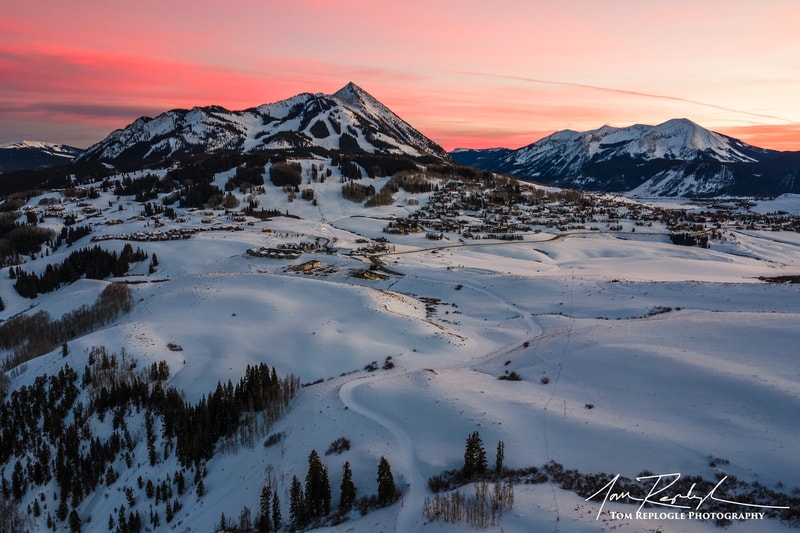
I researched extensively: what were other landscape photographers with similar experience charging? What did galleries price comparable work at? What did my costs actually look like when I factored in equipment, insurance, website hosting, travel, and time? The answers helped me establish rates that felt both fair and sustainable.
Marketing Without Selling Your Soul
Social media can feel like a necessary evil for photographers. The algorithms, the constant content demands, the feeling that you’re shouting into a void—it’s exhausting. But here’s what worked for me: authenticity over frequency.
Rather than posting daily just to feed the algorithm, I focused on quality storytelling. When I shared an image, I included the genuine story behind it. Not clickbait or manufactured drama, but real moments: the 4 AM wake-up call that almost didn’t happen, the technical challenge I overcame, the feeling I was trying to capture.
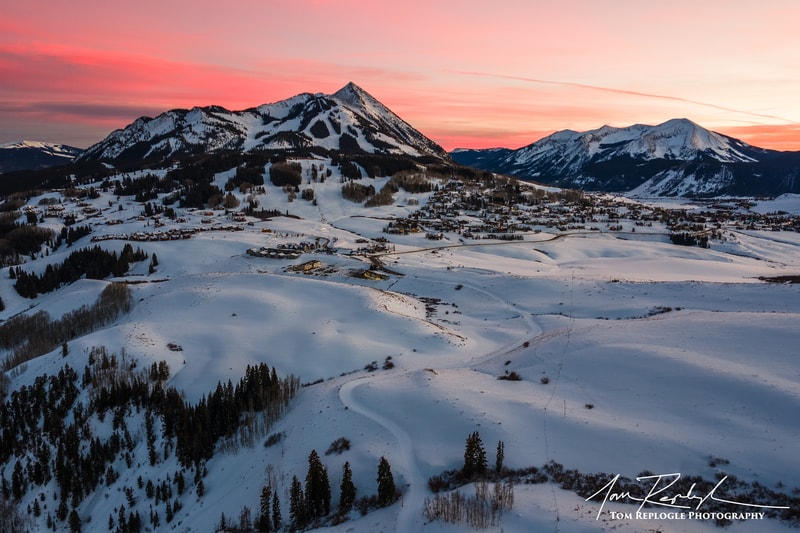
This approach built a smaller but more engaged audience. People who genuinely connected with my work, understood my approach, and eventually became clients or advocates who referred others.
The Leap
Making photography my full-time focus was terrifying. I waited until I had enough client work that the math made sense, but there’s no amount of planning that eliminates the fear of leaving stable employment.
What helped: treating the business as seriously as any other profession. I established clear working hours (even though I worked from home), invested in proper accounting software, maintained a separate business bank account, and built systems for client communication and project management.
The first year was lean. There were months when I questioned the decision. But gradually, things stabilized. Repeat clients became the foundation. Word-of-mouth referrals grew. Editorial opportunities appeared. Gallery relationships developed.
What I Wish I’d Known
If I could go back and advise my earlier self, I’d emphasize these points:
Invest in systems early. Even when you have few clients, establish proper workflows. How will you handle inquiries? What does your editing process look like? How do you deliver final products? Systems create consistency and save countless hours as you scale.
Your style is your asset. Don’t chase trends or try to be everything to everyone. The clients who truly appreciate your unique vision are worth ten who want you to mimic someone else’s work.
Network with other photographers. They’re not competition—they’re colleagues. Some of my best business advice came from conversations with other photographers. We share location tips, refer clients whose needs don’t match our style, and support each other through industry challenges.
The business needs attention, but not all your attention. It’s easy to become consumed with marketing, client management, and administrative tasks. Protect time for the actual photography. That’s what sustains your passion and produces the work that attracts clients.
The Journey Continues
I don’t have all the answers. Each year brings new challenges: evolving technology, changing client expectations, shifts in how people discover and purchase art. But that’s also what keeps it interesting.
The foundation remains the same: create work you’re genuinely proud of, treat clients with respect and professionalism, price fairly, and never stop learning. Everything else is details to figure out along the way.
If you’re considering making the leap from hobbyist to professional, my advice is this: start before you feel ready. Take small steps. Test the waters. Build gradually. And remember that the business infrastructure exists to support your creative work—not replace it.
The path from passion to profession isn’t always smooth, but for those who persist, it’s deeply rewarding to wake up each day knowing that your creative vision is also your livelihood.