
October 15, 2025
Mastering Golden Hour: Essential Tips for Landscape Photography
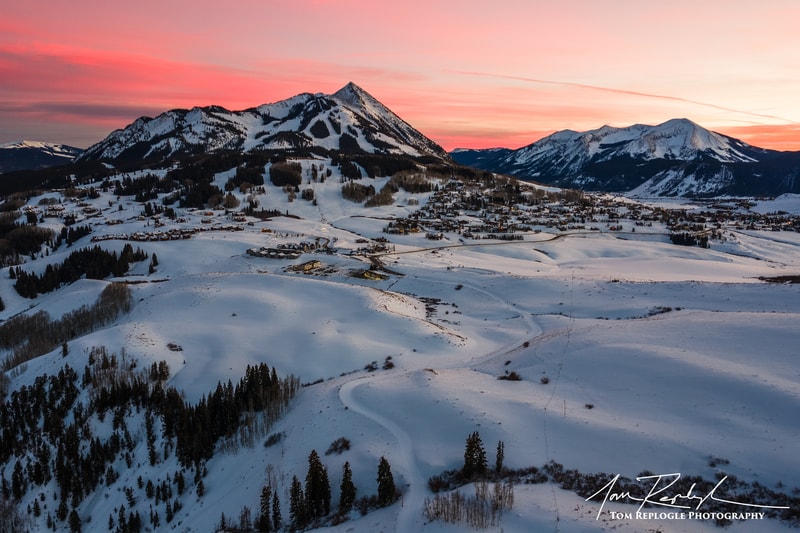
The golden hour—that magical time just after sunrise or before sunset—is every landscape photographer’s favorite time of day. The warm, soft light transforms ordinary scenes into extraordinary images, creating depth, dimension, and emotion that’s impossible to achieve during harsh midday sun.
Why Golden Hour Matters
During golden hour, the sun sits low on the horizon, creating light that’s both directional and diffused. This unique quality produces several benefits:
- Warm color temperature that adds richness to your images
- Long, dramatic shadows that create depth and texture
- Reduced contrast that preserves detail in highlights and shadows
- Softer light that’s flattering for landscapes
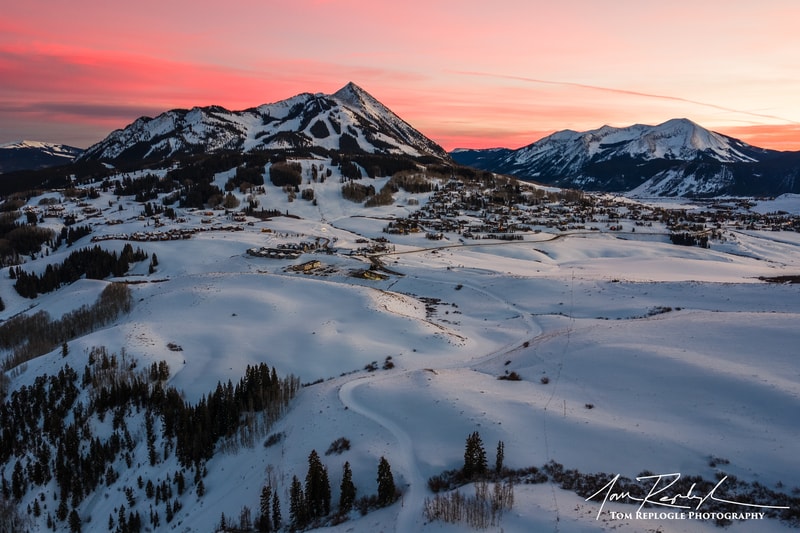 The warm light during golden hour creates rich, saturated colors
Planning Your Golden Hour Shoot
Success during golden hour starts long before you arrive at your location. Here’s my approach to planning:
Scout Your Location
I always visit new locations during different times of day to understand how light interacts with the landscape. Use apps like PhotoPills or The Photographer’s Ephemeris to predict exactly where the sun will be at golden hour.
Arrive Early
The best light often happens 15-30 minutes before or after the “official” golden hour. Arriving early gives you time to compose your shots and be ready when the magic happens.
Prepare Your Gear
Golden hour is fleeting—you don’t want to waste time fumbling with equipment. Have your camera settings dialed in, filters attached, and compositions pre-planned.
Camera Settings for Golden Hour
My typical starting settings for golden hour landscape photography:
- ISO: 100-400 (keep it as low as possible for maximum quality)
- Aperture: f/8-f/16 (for front-to-back sharpness)
- Shutter Speed: Varies based on lighting, often 1/30-1/250s
- White Balance: Daylight or slightly warm (5500-6000K)
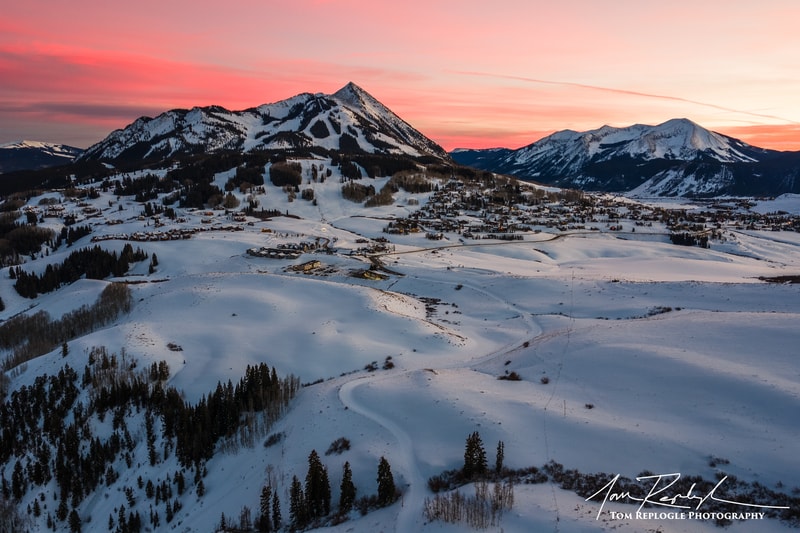 My typical camera setup for golden hour shooting
Working with the Light
The direction of light during golden hour dramatically affects your images. Here are three approaches I use:
Front Lighting
When the sun is behind you, illuminating your subject directly, you get rich, saturated colors and good detail throughout the scene. This is perfect for capturing the warm glow on landscapes.
Side Lighting
My personal favorite—side lighting creates dramatic shadows and reveals texture and form. It’s ideal for adding depth and dimension to your images.
Back Lighting
Shooting into the sun creates silhouettes, rim lighting, and beautiful lens flare. This technique requires careful exposure management but produces stunning results.
Common Challenges and Solutions
Challenge: Light Changes Too Quickly
Solution: Bracket your exposures and be prepared to adjust settings rapidly. I often use aperture priority mode during golden hour to maintain consistent depth of field while the camera adjusts shutter speed.
Challenge: High Dynamic Range
Solution: Use graduated neutral density filters or bracket exposures for HDR processing. The contrast between sky and foreground can still be significant during golden hour.
Challenge: Blue Hour Transitions
Solution: Don’t pack up when golden hour ends! The blue hour that follows offers its own unique opportunities for moody, atmospheric images.
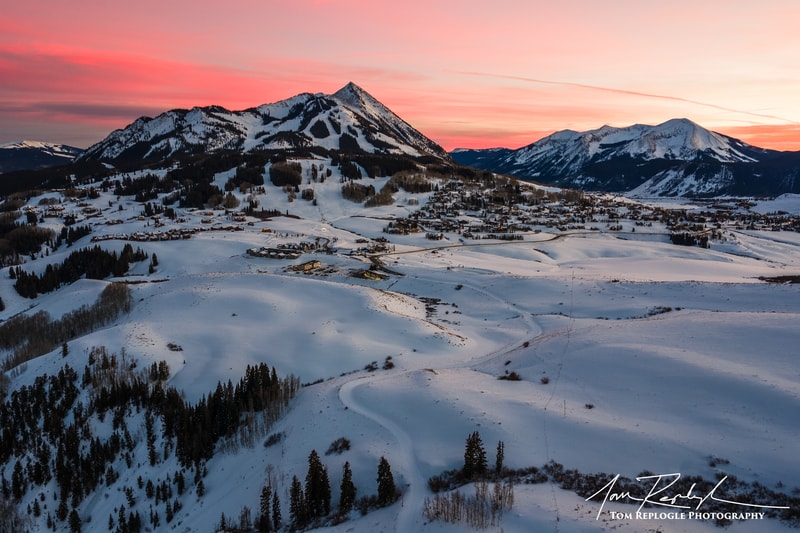 The transition from golden hour to blue hour offers beautiful color
Post-Processing Golden Hour Images
I approach golden hour images with a light touch in post-processing. The natural light is already beautiful—I’m mainly enhancing what’s there:
- Start with exposure and white balance adjustments
- Add graduated filters to balance sky and foreground
- Enhance warmth slightly (but avoid overdoing it)
- Boost local contrast to emphasize texture
- Fine-tune individual colors to make them pop
Remember: golden hour light is special precisely because it’s natural. Over-processing can destroy the authentic quality that makes these images compelling.
Key Takeaways
Mastering golden hour photography takes practice, but these essentials will set you on the right path:
- Plan ahead and arrive early to your location
- Understand how light direction affects your subject
- Work quickly—the best light is fleeting
- Don’t be afraid to experiment with different exposures and compositions
- Stay through blue hour for additional opportunities
The golden hour offers some of the most beautiful natural light you’ll ever photograph in. With proper planning and technique, you can consistently create stunning landscape images that capture the magic of this special time of day.
Now get out there and chase that light!