
January 5, 2026
Embracing the Storm: Photography in Challenging Weather
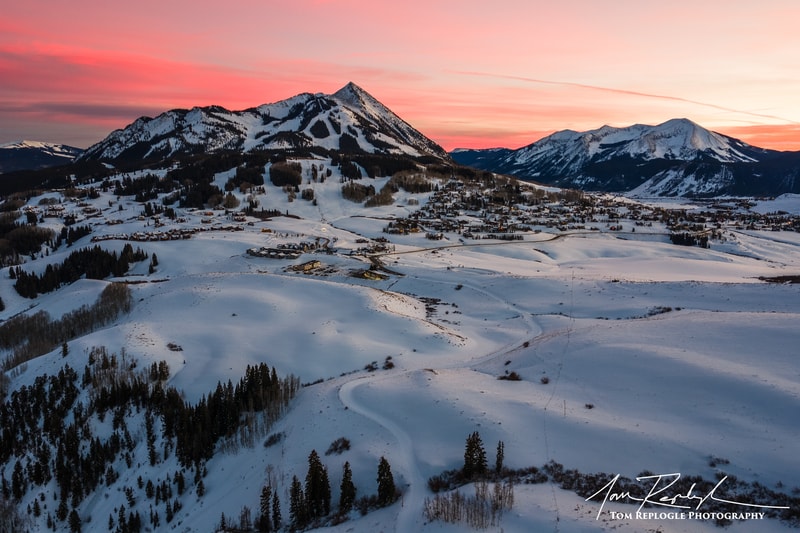
Most photographers pack up when weather turns bad. I get excited. Some of my most compelling images have been captured in conditions that sent everyone else running for cover—driving rain, bitter cold, harsh wind, and threatening storms. Here’s how to embrace challenging weather and return with both great images and functioning equipment.
Why Bad Weather Creates Great Photos
Challenging weather offers photographic opportunities impossible in perfect conditions:
Dramatic Light: Storm systems create dynamic, ever-changing light with strong contrasts and color.
Atmospheric Effects: Rain, fog, mist, and clouds add mood and mystery to landscapes.
Unique Conditions: Most photographers avoid bad weather, so your images will stand out.
Emotional Impact: Weather creates feeling—drama, power, isolation, beauty in adversity.
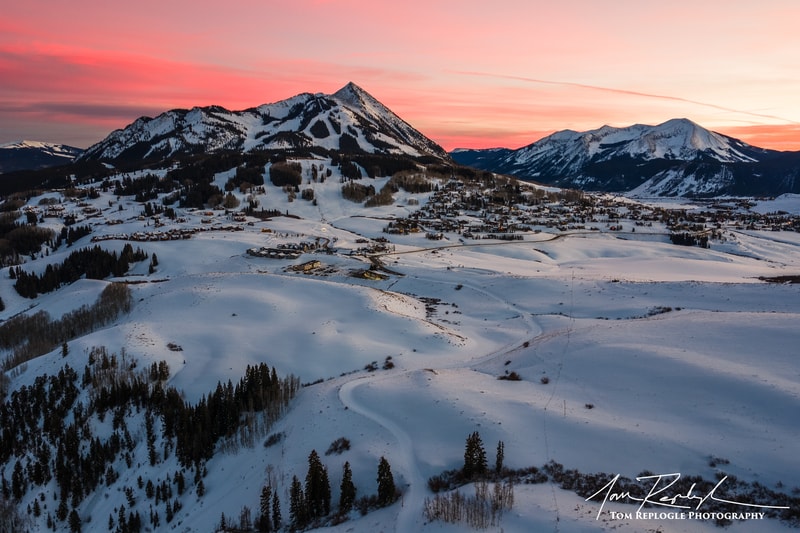 Stormy weather creates unmatched drama
Gear Protection Strategies
Your equipment investment needs protection. Here’s my system:
Rain Protection
For Light Rain:
- Rain sleeve or shower cap over camera
- Lens hood with clear filter
- Microfiber cloth in pocket for lens wiping
For Heavy Rain:
- Professional rain cover (Think Tank Hydrophobia)
- Waterproof camera backpack
- Ziplock bags as emergency protection
- Keep gear inside coat until ready to shoot
Cold Weather Protection
Battery Management:
- Carry extras inside coat (body warmth preserves charge)
- Swap batteries regularly
- Fully charge all batteries the night before
Condensation Prevention:
- Never bring cold camera into warm environment directly
- Use plastic bag sealed around camera to warm gradually
- Keep silica gel packets in camera bag
Wind and Dust
- Filter over lens (even clear UV) prevents particle damage
- Rocket blower to remove dust (never wipe dry)
- Weather-sealed cameras and lenses earn their premium
Safety Must Come First
No photograph is worth injury or worse:
Lightning Safety
- Monitor weather radar obsessively
- 30-30 rule: Count seconds between lightning and thunder; if under 30 seconds, seek shelter
- Stay 30 minutes after last lightning before resuming
- Never use tripod during active lightning nearby
- Avoid exposed ridgelines and isolated trees
Cold Weather Safety
- Dress in layers with quality base layers
- Bring more warm clothing than you think you need
- Watch for frostbite warning signs (numbness, white skin)
- Have a warm vehicle or shelter nearby
- Never photograph alone in extreme cold
High Wind Hazards
- Secure tripod with weight or stakes
- Watch for falling branches or flying debris
- Be extra careful near edges or cliffs
- Consider lowering tripod height for stability
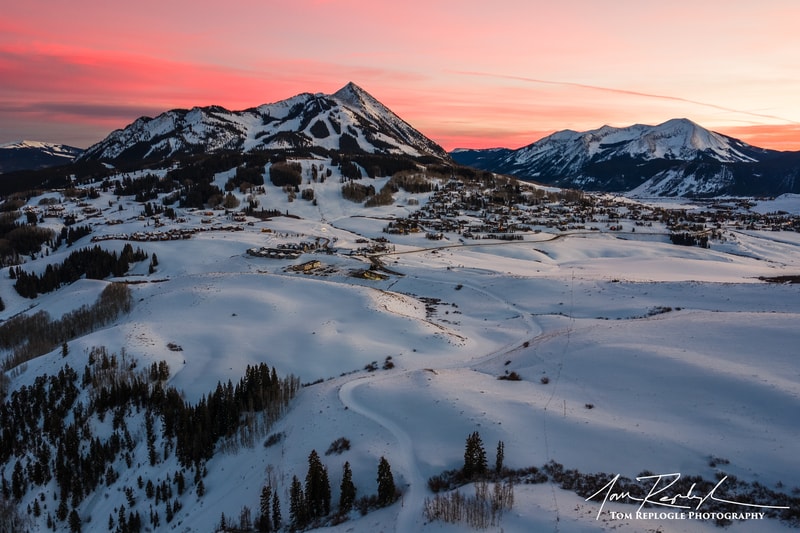 Proper preparation enables safe shooting in challenging conditions
Techniques for Weather Photography
Shooting in Rain
Embracing Rain in the Frame:
- Use slow shutter speeds (1/30-1/125s) to show rain streaks
- Backlit rain creates beautiful streaks and atmosphere
- Puddle reflections add interest after rain passes
Managing Water on Lens:
- Lens hood is essential
- Shoot during lulls, cover between shots
- Use large clear filter you can quickly wipe
- Accept some water spots as part of the mood
Fog Photography
Fog creates magical conditions but requires different techniques:
- Expose brighter than meter suggests (+1 to +2 stops)
- Focus carefully—autofocus struggles in fog
- Shoot in RAW to recover detail
- Look for layers as fog lifts
- Include foreground elements for depth
Snow Photography
Exposure Challenges:
- Snow fools meters into underexposing
- Add +1 to +2 stops exposure compensation
- Check histogram—aim for brightness without blowing highlights
- Shoot in RAW for maximum recovery latitude
Compositional Opportunities:
- Fresh snow simplifies scenes beautifully
- Look for patterns, tracks, and textures
- Contrast (dark trees against white snow)
- Falling snow with slower shutters creates atmosphere
Storm Photography
Before the Storm:
- Dramatic light and ominous skies
- Long shadows as system approaches
- Color shifts—yellow/green tinted light
During the Storm:
- Quick shooting between squalls
- Protect gear between shots
- Look for breaks in clouds (light rays)
- Embrace motion and energy
After the Storm:
- Clearing storms offer incredible light
- Double rainbows and dramatic clouds
- Everything fresh and clean
- Wet surfaces create reflections
Essential Weather Photography Gear
Beyond camera protection, I carry:
Clothing:
- Waterproof shell jacket and pants
- Insulated layers
- Waterproof gloves (with touch-screen fingertips)
- Warm hat and neck gaiter
Accessories:
- Multiple microfiber cloths
- Chemical hand warmers
- Headlamp (weather can darken quickly)
- Emergency whistle
- Fully charged phone
Camera Gear:
- Weather-sealed camera body
- Weather-sealed lenses
- Sturdy tripod
- Quality rain cover
- Lens cleaning kit
Reading Weather Patterns
Learning to read weather helps predict opportunities:
Cloud Types Signal Conditions
- Lenticular clouds: High winds, dramatic shapes
- Mammatus clouds: Severe weather, incredible textures
- Breaking storm clouds: Best light as system passes
Wind Direction Matters
- Windward side: Often clearer after storms pass
- Leeward side: Clouds pile up, dramatic formations
- Cold front passage: Clearing skies, clean air, drama
Apps and Resources
I constantly monitor:
- Weather radar (multiple apps for redundancy)
- Lightning strike maps (real-time)
- Wind speeds and gusts
- Hourly forecasts
- Satellite imagery
Post-Processing Weather Images
Weather images often need careful processing:
Rain Images:
- Slightly boost contrast to show atmosphere
- Careful with clarity (easy to overdo)
- Embrace muted colors—not everything needs saturation
Fog Images:
- Lift shadows carefully to reveal detail
- Don’t over-brighten—preserve mysterious mood
- Consider slight blue tone shift for cold atmosphere
Storm Images:
- Dramatic processing suits dramatic conditions
- Boost contrast to emphasize clouds
- Careful with highlights—don’t lose cloud detail
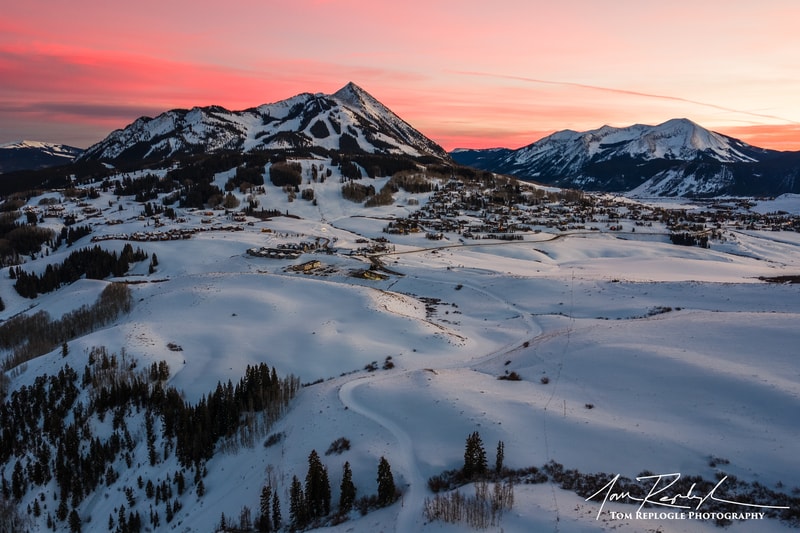 Post-processing enhances the drama captured in-camera
When to Call It
Know when conditions are too dangerous:
- Active lightning within a mile
- Wind speeds making tripod unusable
- Visibility too poor to safely navigate
- You’re uncomfortable or cold
- Equipment is at serious risk
There will be other storms. Missing a photo opportunity is always better than injury or damaged gear.
The Reward
Yes, weather photography is challenging, uncomfortable, and sometimes risky. But the images you’ll create in conditions others avoid are worth it. There’s also something deeply satisfying about proving you’re dedicated enough to embrace difficult conditions for your art.
Start small—photograph during light rain or on cold days. Build experience and confidence gradually. Learn your equipment’s limits and your own comfort zones.
The most dramatic landscapes don’t happen on pleasant, sunny days. They happen when weather is doing something interesting. Embrace the challenge, prepare properly, prioritize safety, and you’ll create images that stop viewers in their tracks.
Now get out there—but only if it’s safe!