
January 18, 2026
Creating Depth and Dimension in Landscape Compositions
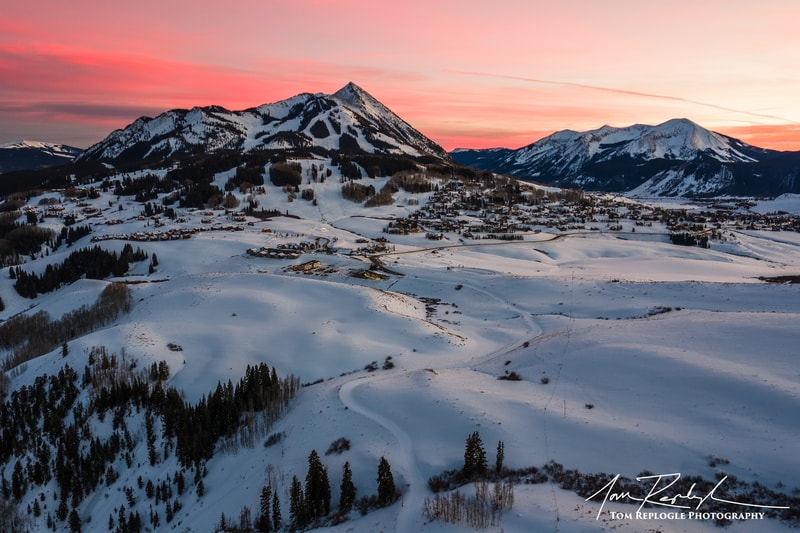
The most common problem I see in landscape photography is flatness. Beautiful scenes rendered as two-dimensional postcards that fail to capture the depth and grandeur experienced in person. Creating a sense of three-dimensional space in a two-dimensional medium is one of photography’s fundamental challenges—and mastering it separates good landscape images from great ones.
Understanding Visual Depth
Our eyes and brain use multiple cues to perceive depth in the real world. As photographers, we need to deliberately incorporate these cues into our compositions:
- Size differences (near objects appear larger)
- Overlap (nearer objects obscure distant ones)
- Linear perspective (parallel lines converge)
- Atmospheric perspective (distant objects appear hazier)
- Color and contrast (diminish with distance)
- Texture detail (more visible up close)
Technique 1: Strong Foreground Elements
This is the most powerful depth-creating technique in landscape photography.
What Makes a Strong Foreground:
- Interesting texture or shape
- Positioned close to camera (wide angle emphasizes this)
- Complements rather than competes with background
- Creates visual entry point into the scene
My Foreground Strategy:
- Get low—often very low, even lying on the ground
- Use wide-angle lenses (16-35mm range)
- Position foreground off-center (avoid bulls-eye composition)
- Ensure foreground tells part of the story
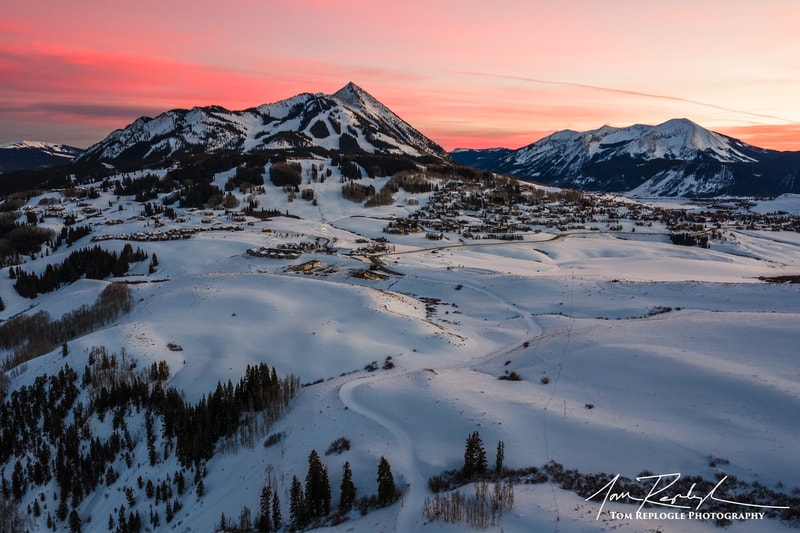 Prominent foreground rocks create immediate depth
Technique 2: Leading Lines
Leading lines literally lead the viewer’s eye from foreground through midground to background, creating a visual journey through the frame.
Effective Leading Lines:
- Rivers and streams (curve is better than straight)
- Roads and paths
- Fencelines and walls
- Natural ridgelines
- Shadow patterns
- Lines in sand, snow, or fields
Using Leading Lines:
- Position yourself so lines enter frame from corner
- Follow the line to ensure it leads somewhere interesting
- Combine with other depth techniques
- Consider both obvious and subtle lines
Technique 3: Layering the Scene
Think of your composition in distinct layers: foreground, midground, background. Each layer should have visual interest.
Creating Layers:
- Foreground: Rocks, flowers, water
- Midground: Trees, buildings, land features
- Background: Mountains, sky, distant landscape
Layer Separation:
- Use side lighting to distinguish layers
- Slight haze or fog helps separate distant layers
- Different colors in each layer
- Varying textures create distinction
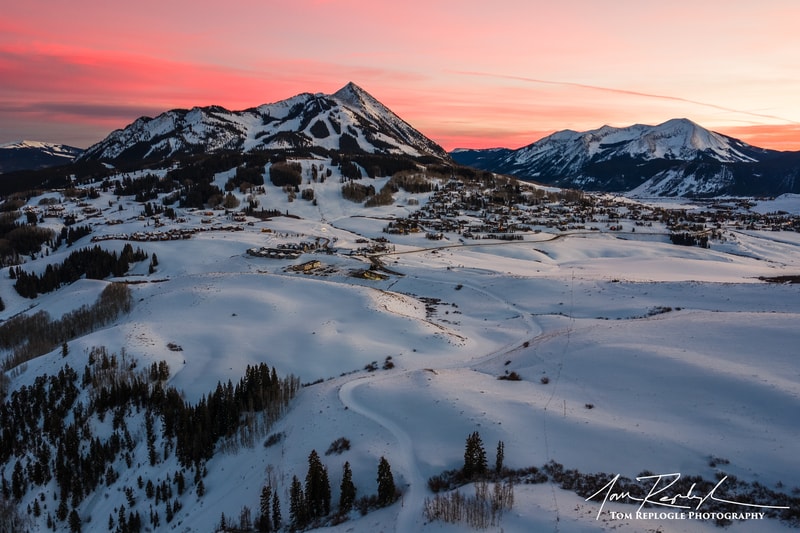 Clear foreground, midground, and background layers create depth
Technique 4: Atmospheric Perspective
Also called aerial perspective—the natural haze that makes distant objects appear lighter, hazier, and lower in contrast.
Enhancing Atmospheric Perspective:
- Shoot during conditions with natural atmosphere (morning/evening)
- Light fog or haze emphasizes the effect
- Include multiple mountain ridges for layering
- Use telephoto lenses to compress and emphasize layers
In Post-Processing:
- Slightly reduce contrast on distant elements
- Desaturate background slightly
- Add subtle blue tone shift to distant areas
- Maintain strong contrast in foreground
Technique 5: Controlling Depth of Field
While many landscape photographers default to f/11-f/16 for front-to-back sharpness, selective focus can create depth in specific situations.
Deep Depth of Field (f/11-f/16):
- Traditional landscapes with important foreground and background
- When you want viewer to see entire scene sharp
- Most commercial and fine art landscape work
Moderate Depth of Field (f/5.6-f/8):
- Isolates midground while keeping foreground and background softer
- Creates mystery and guides viewer’s attention
- Works well with telephoto lenses
The Focus Distance Sweet Spot:
- For maximum depth, focus about 1/3 into your scene
- Use hyperfocal distance calculators
- Check foreground and background sharpness
- Focus stacking when depth of field isn’t enough
Technique 6: Size Comparison
Including objects of known size helps viewers understand scale and perceive depth.
Scale References:
- People (controversial but effective)
- Buildings or structures
- Trees or vegetation
- Vehicles or boats
- Animals
Placement Matters:
- Small figures in midground show landscape scale
- Too large and they dominate composition
- Consider silhouettes to avoid distracting details
Technique 7: Light and Shadow
Light direction dramatically affects depth perception.
Side Lighting:
- Creates texture and dimension through shadows
- Emphasizes form and shape
- Separates planes in the landscape
- My favorite for maximizing depth
Front Lighting:
- Flattens scenes (less depth)
- Good for color saturation
- Works when other depth cues are strong
Back Lighting:
- Creates rim lighting and separation
- Silhouettes can suggest depth
- Requires careful exposure management
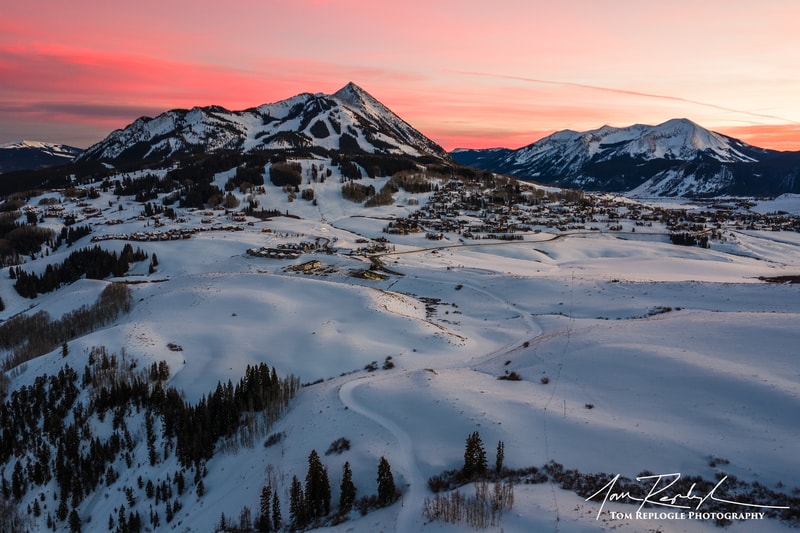 Side lighting reveals texture and form
Technique 8: Frame Within a Frame
Using natural frames adds foreground interest and creates depth by establishing viewer position.
Natural Frames:
- Tree branches
- Cave or arch openings
- Window or door frames
- Overhanging rocks
Frame Guidelines:
- Don’t let frame overpower subject
- Ensure frame is sharp or acceptably soft
- Consider silhouetted frames
- Frame should enhance, not distract
Putting Multiple Techniques Together
The most effective depth comes from combining techniques:
Example Composition Strategy:
- Find strong background (mountain, sunset)
- Identify midground interest (trees, lake)
- Add prominent foreground (rocks, flowers)
- Use wide angle to emphasize near-far relationship
- Set hyperfocal distance for f/11
- Wait for side lighting
- Include subtle leading line (stream, path)
This multi-technique approach creates undeniable three-dimensional quality.
Common Depth Mistakes to Avoid
Weak Foreground:
- Empty or boring foreground creates flat image
- Solution: Move closer, get lower, find interest
Everything at Same Distance:
- All elements at similar distance lacks depth
- Solution: Actively seek fore, mid, and background
No Layering:
- Single-plane compositions feel flat
- Solution: Position to create overlap and separation
Poor Light Direction:
- Flat frontal light minimizes texture
- Solution: Wait for better light or choose different location
Ignoring Atmospheric Conditions:
- Clear, contrasty days can flatten distant scenes
- Solution: Embrace haze, fog, or shoot in softer light
Practice Exercises
Exercise 1: The Three-Layer Challenge
- Find a location with clear fore, mid, and background
- Compose deliberately including all three
- Repeat at different locations
Exercise 2: Foreground Focus
- Spend entire session exploring foregrounds
- Get low, move close, try everything
- Ignore background temporarily
Exercise 3: Leading Line Hunt
- Dedicate a shoot to finding leading lines
- Practice following lines to interesting destinations
- Experiment with different angles
Exercise 4: Atmospheric Days
- Shoot specifically in fog, haze, or dust
- Focus on how atmospheric effects create depth
- Process to enhance layering
The Ultimate Goal
Creating depth shouldn’t feel forced or formulaic. These techniques become instinctive with practice—you’ll naturally see scenes in layers, spot leading lines, and position for maximum dimension.
The three-dimensional quality draws viewers into your images, making them feel they could step into the scene. That immersive quality separates compelling photographs from simple documentation.
Study how master landscape photographers create depth. Analyze successful images. Practice deliberately. Over time, depth creation becomes second nature, and your landscapes will transform from flat to dimensional.
Now get out there and add some dimension to your work!