
November 30, 2025
Choosing Your First Drone: A Photographer's Buying Guide
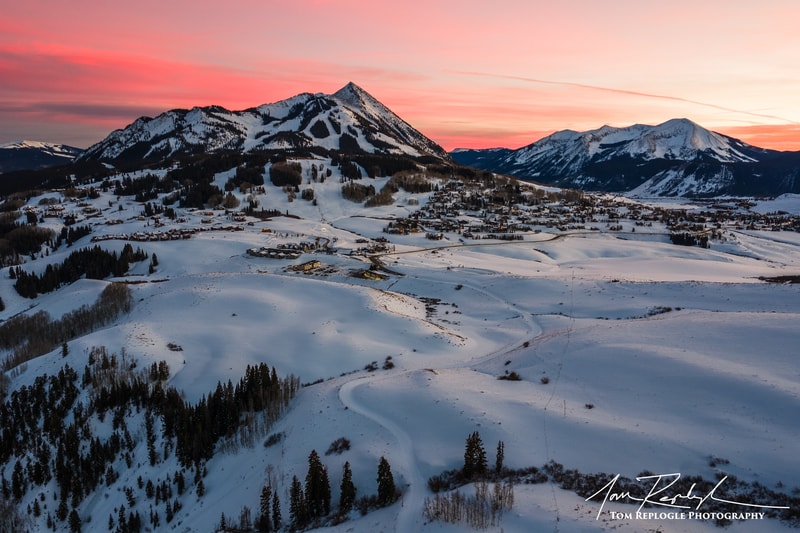
Choosing your first photography drone can feel overwhelming. Prices range from a few hundred to several thousand dollars, specs are confusing, and every reviewer seems to have a different opinion. After flying multiple drone models and talking with countless photographers, I’ve learned what actually matters when selecting your first aerial photography platform.
What Really Matters in a Photography Drone
Forget the marketing hype. Here are the features that actually impact your photography:
Camera Sensor Size
This is the single most important spec. A 1-inch sensor produces dramatically better image quality than smaller sensors, especially in challenging light. If you’re serious about photography, prioritize sensor size over everything else.
Image Format Support
RAW shooting is non-negotiable for serious photography. JPEG-only drones severely limit your post-processing flexibility.
Flight Time
Realistic flight time under normal conditions matters more than the manufacturer’s claims. Most drones deliver 20-25 minutes of actual shooting time, not the 30-40 minutes advertised.
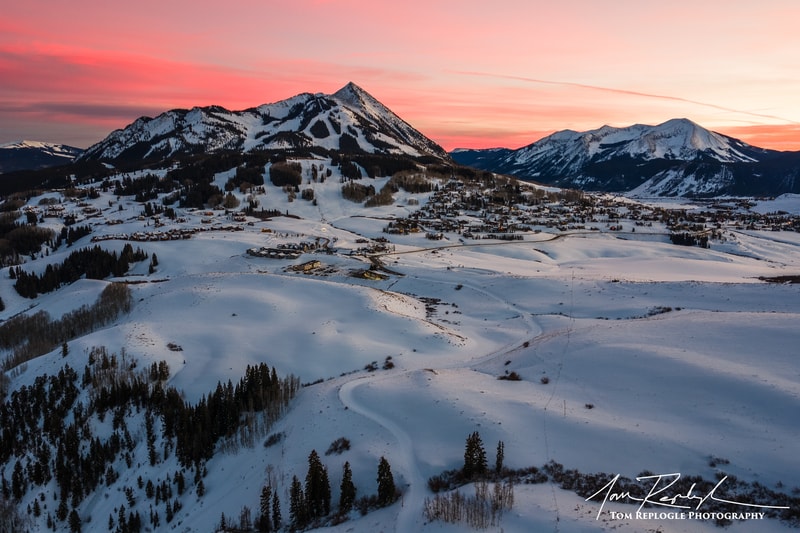 Understanding flight time in real conditions is crucial
Wind Resistance
This gets overlooked constantly. A drone that handles wind well opens up more shooting opportunities and produces sharper images.
My Recommendations by Budget
Under $500: DJI Mini Series
Best for: Beginners, travel, casual shooting
The Mini series offers surprising image quality in an ultralight package. The main limitations are the smaller sensor and reduced wind resistance, but for learning aerial photography basics, it’s hard to beat the value.
Pros:
- No FAA registration required (under 250g)
- Extremely portable
- Good image quality for social media
Cons:
- Struggles in wind
- Smaller sensor limits print size
- Shorter range
$1000-$1500: DJI Air Series
Best for: Serious hobbyists, semi-professional work
The Air series hits the sweet spot for many photographers. Better sensors, stronger wind resistance, and professional features without the professional price tag.
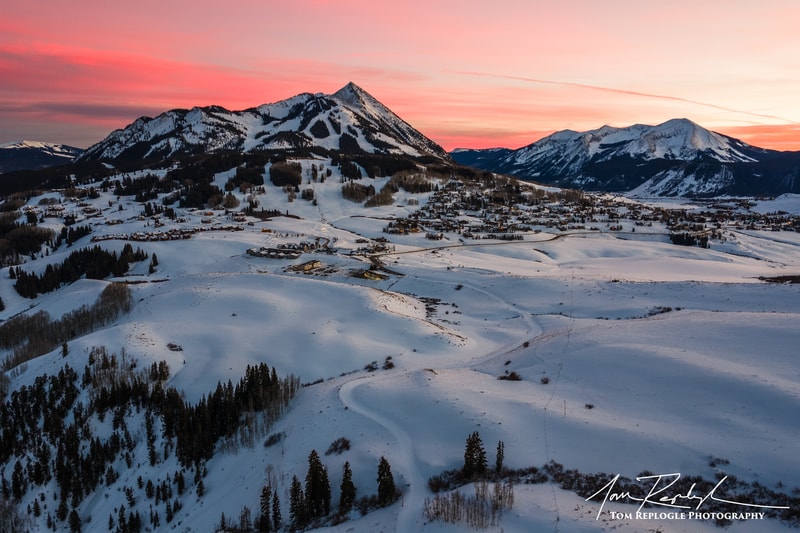 Mid-range drones offer the best balance for most photographers
$2000+: DJI Mavic Pro or Inspire Series
Best for: Professional work, maximum quality
These drones deliver the best image quality in portable packages. The 1-inch sensors, advanced obstacle avoidance, and professional features justify the price if photography is your business.
Key Features to Consider
Obstacle Avoidance
Omnidirectional obstacle sensing isn’t just a safety feature—it’s confidence insurance. You’ll fly more creatively when you’re not constantly worried about crashing.
Intelligent Flight Modes
Modes like ActiveTrack, Waypoints, and orbit are genuinely useful for photography. They free you to focus on composition rather than piloting.
Controller and Screen
Flying with just your phone works but isn’t ideal. A dedicated controller with a built-in screen or tablet mount significantly improves the shooting experience.
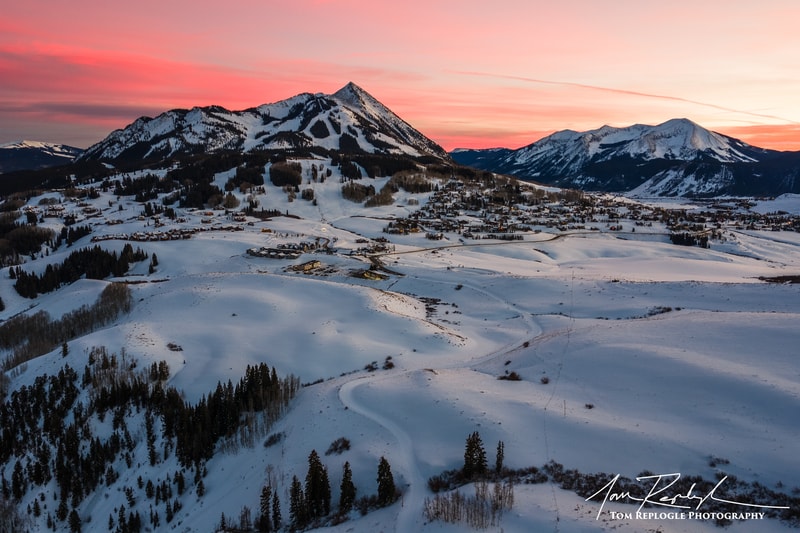 A quality controller makes a huge difference in the field
Battery Ecosystem
Factor in battery costs—you’ll need at least 3-4 batteries for serious shooting. Some drone batteries cost $150+ each.
What You Don’t Need
Marketing departments love to highlight features that sound impressive but don’t matter much for photography:
- 8K video: Unless you’re a professional videographer, 4K is plenty
- Maximum theoretical range: You’ll rarely fly beyond visual line of sight anyway
- Crazy high speeds: Photography is about positioning and composition, not racing
- Fancy case: Buy extra batteries instead
The Hidden Costs
Beyond the drone itself, budget for:
- ND filter set: $150-300
- Extra batteries: $100-150 each (buy at least 3)
- Memory cards: Fast, reliable cards are essential
- Landing pad: $20-40
- Carrying case: $50-150
- Insurance: Highly recommended
- Part 107 certification: $175 for the test if going professional
My Honest Recommendation
For most photographers starting with drones, I recommend the DJI Air series. It offers professional-quality images, reliable performance, and won’t bankrupt you. Once you’ve flown for a year and understand what you actually need, you can decide whether to upgrade to prosumer gear or stick with what works.
Don’t make my mistake: I started with a budget drone, quickly outgrew it, and had to upgrade within six months. I should have bought the better model initially and saved money overall.
Before You Buy
Check Regulations
Make sure you understand FAA rules, local restrictions, and where you can legally fly. Some areas have strict drone regulations that might affect your photography plans.
Consider the Learning Curve
Every drone platform has a learning curve. Factor in time to learn flying, understanding your camera settings, and developing your aerial photography eye.
Think About Your Goals
Are you adding aerial capabilities to your landscape photography? Building a commercial service? Just exploring a new creative outlet? Your goals should guide your purchase.
Final Thoughts
The best drone is the one that matches your skill level, budget, and photographic goals. Don’t overbuy or underbuy—be honest about what you need. Every modern photography drone can produce amazing images in the right hands.
Focus less on specs and more on learning to fly safely and see compositions from above. The photographer matters far more than the equipment.
Now get out there and start exploring the world from a new perspective!