
November 5, 2025
Capturing Drama: 5 Techniques for Stunning Sky Photography
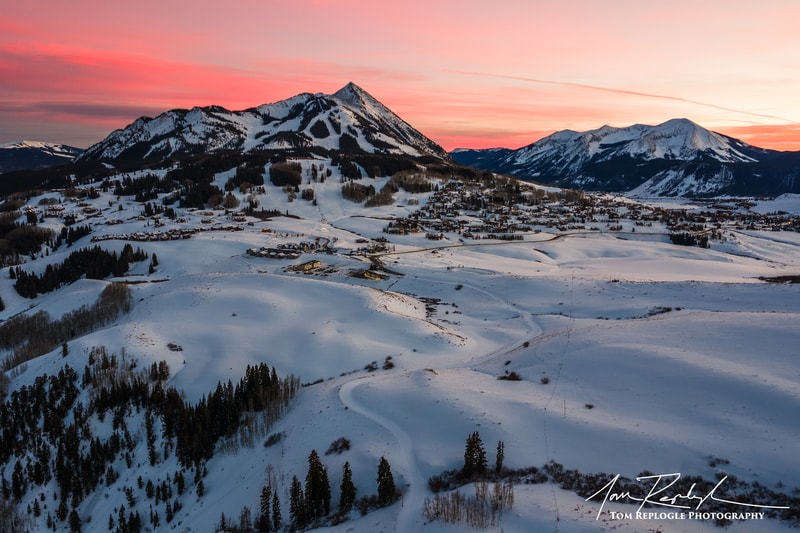
Ask any landscape photographer what makes or breaks an image, and they’ll tell you the same thing: the sky. A dramatic, compelling sky can transform an ordinary scene into something extraordinary, while a bland, featureless sky can kill even the most interesting foreground. After years of chasing dramatic skies, I’ve developed five core techniques that consistently help me capture stunning overhead drama.
1. Understand Cloud Types and What They Offer
Not all clouds are created equal for photography. Here’s what I look for:
Cumulus clouds provide volume and dimension, especially when lit from the side. They’re perfect for adding interest without overwhelming the scene.
Stratocumulus formations create layers and texture that photograph beautifully, particularly during golden hour when light rakes across their undersides.
Storm clouds offer the most drama but require careful exposure management. The contrast between dark clouds and breaks of light creates powerful compositions.
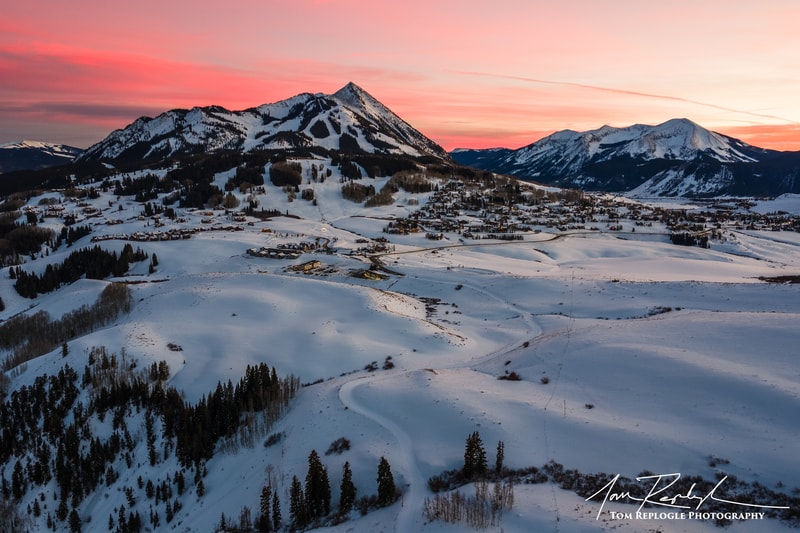 Storm clouds provide unmatched drama in landscape photography
2. Master the Graduated ND Filter
This is non-negotiable for dramatic sky photography. Even with modern camera dynamic range, the brightness difference between sky and foreground often exceeds what sensors can capture in a single exposure.
My approach:
- Use a 2-3 stop graduated ND for most situations
- Position the transition zone carefully along the horizon
- Combine with circular polarizer for maximum sky saturation
- Stack filters when dealing with extremely bright skies
3. Timing is Everything
The best skies don’t happen during “golden hour”—they happen before and after storms, during weather transitions, and when atmospheric conditions create unusual light.
My timing strategy:
- Check weather forecasts for “partly cloudy” or clearing storms
- Arrive 60-90 minutes before sunset or after sunrise
- Stay through blue hour when dramatic skies often become even better
- Watch for breaking storms when light punches through clouds
4. Exposure for the Highlights
When photographing dramatic skies, always expose for the highlights. Modern cameras handle shadow recovery remarkably well, but blown highlights are impossible to recover.
My process:
- Meter for the brightest part of the sky
- Use exposure compensation (-1 to -2 stops typically)
- Check the histogram—no clipped highlights on the right edge
- Recover shadow detail in post-processing
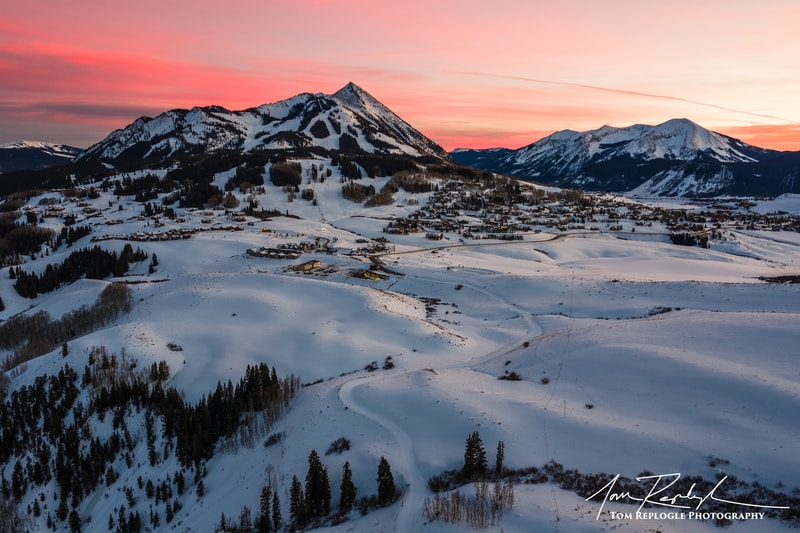 Exposing for highlights preserves detail in dramatic clouds
5. Composition Matters Even More
With dramatic skies, composition becomes critical. The sky should enhance, not overwhelm, your scene.
Guidelines I follow:
- Use the rule of thirds—dramatic skies work well in the upper two-thirds
- Find foreground elements that balance the sky’s visual weight
- Look for leading lines that connect ground to sky
- Consider silhouettes when contrast is extreme
Putting It All Together
The most successful sky photography comes from combining these techniques. Monitor weather patterns, arrive prepared with the right filters, time your shoot for optimal light, expose carefully, and compose thoughtfully.
Remember: patience is your greatest asset. I’ve sat in locations for hours waiting for clouds to move into position or for light to break through storms. Those patient moments often yield the most dramatic results.
The sky offers infinite variety and drama—learning to capture it effectively will transform your landscape photography. Get out there during unsettled weather, embrace the dramatic conditions, and let the sky tell its story in your images.