
December 22, 2025
The Art of Location Scouting: Finding Perfect Compositions
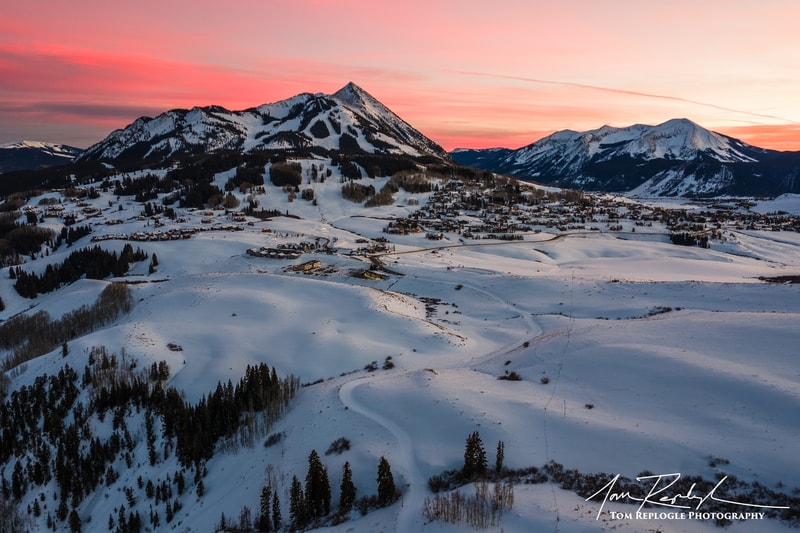
The difference between a good landscape photograph and a great one often comes down to location scouting. While it’s tempting to shoot the same popular spots everyone else photographs, the most satisfying images come from locations you’ve discovered and compositions you’ve worked out yourself. Here’s how I approach finding and evaluating new photography locations.
The Digital Scout: Research Phase
Before I ever visit a location, I spend time researching from my desk:
Google Earth is Your Friend
I spend hours virtually exploring areas using Google Earth. The 3D terrain view helps identify:
- Elevated vantage points for sweeping vistas
- Interesting foreground elements (rocks, trees, water features)
- How light will hit the landscape at different times
- Access points and potential hiking routes
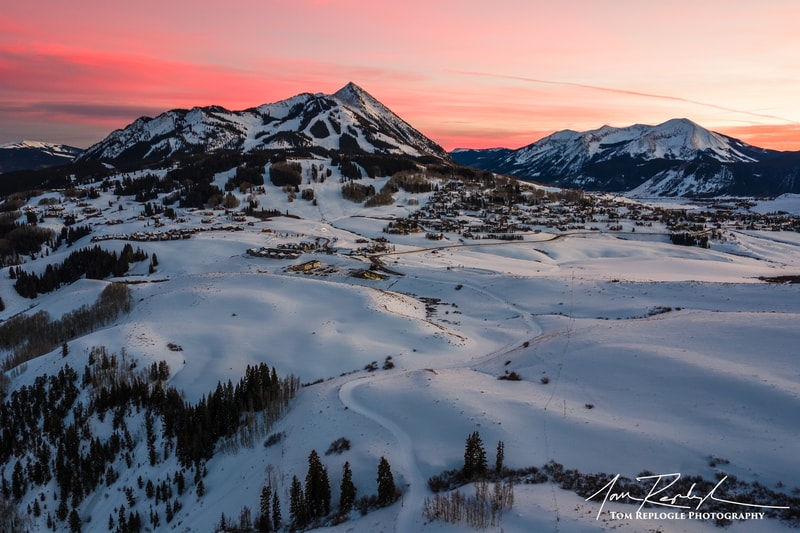 Digital scouting reveals possibilities before visiting
Weather Patterns Matter
Understanding an area’s typical weather helps plan visits:
- When does fog occur?
- What time of year has the best conditions?
- Are there seasonal considerations (snow, water levels, foliage)?
I use apps like Weather Underground’s historical data to understand patterns.
Sun and Moon Tracking
PhotoPills and The Photographer’s Ephemeris are essential tools. I use them to determine:
- Exact sunrise/sunset positions throughout the year
- When the milky way will align with potential compositions
- Moon phases for night photography
- Shadow directions at different times
The Physical Scout: Boots on the Ground
Digital research gets you 80% there, but nothing replaces physically scouting a location:
Visit at Different Times
I try to visit new locations at least twice before committing to a shoot:
- Midday scout: Helps understand the layout, find compositions, check access
- Golden hour preview: See how light actually interacts with the landscape
- Different seasons: How does the location change throughout the year?
Look Beyond the Obvious
When scouting, I systematically explore:
- Turn around from the “obvious” view—often the best shot is behind you
- Check different elevations—climb that hill, get low to the ground
- Walk the perimeter—don’t just shoot from the parking lot
- Consider alternative angles—what if you moved 50 feet left or right?
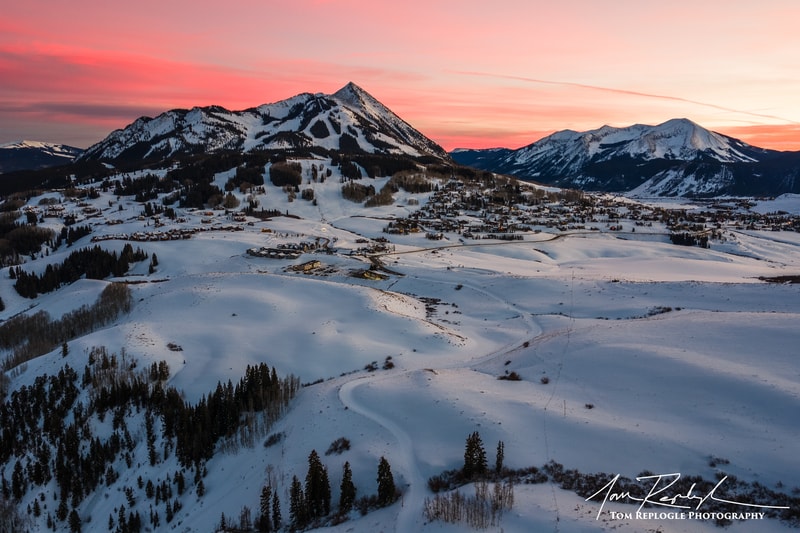 The best composition is often not the obvious one
Document Everything
During scouts, I capture:
- Test shots from various positions (even with my phone)
- GPS coordinates of promising spots
- Notes about timing, light direction, and considerations
- Potential foreground/background relationships
- Obstacles or challenges (private property, access issues)
Evaluating a Location’s Potential
Not every scenic place makes a great photograph. Here’s what I look for:
Strong Foreground Interest
Landscape photography needs layers. I seek locations with:
- Interesting rocks, trees, or natural features
- Leading lines (rivers, paths, ridgelines)
- Texture and pattern
- Elements to anchor the composition
Clean Backgrounds
Beautiful foregrounds mean nothing with cluttered backgrounds. I assess:
- Can I position to avoid power lines, buildings, or other distractions?
- Does the background complement or compete with the foreground?
- Is there depth and separation between layers?
Light Considerations
How light hits a location determines its photographic potential:
- Side lighting locations: Good throughout the day when light rakes across
- Backlit locations: Best during golden hour for rim lighting
- Front-lit locations: Work well in even light or gentle morning/evening glow
Accessibility vs. Uniqueness
There’s a balance to consider:
- Easy access: Means everyone shoots there, but sometimes that’s okay
- Difficult access: Reduces competition but requires more planning
- Unique perspective: Can be found at popular locations with creativity
My Location Scouting Workflow
1. Initial Digital Research (2-3 hours)
- Google Earth exploration
- Photo gallery research (see what others have shot)
- Map review for access points
- Sun/moon position planning
2. First Physical Visit (2-3 hours)
- Drive/hike the area systematically
- Take test shots from multiple positions
- Document GPS coordinates and notes
- Identify specific shooting locations
3. Timing Analysis (1 hour)
- Determine best times of day/year
- Check weather patterns
- Plan moon phases if relevant
- Consider seasonal factors
4. Return Visit for Shoot (flexible)
- Arrive early to setup and fine-tune composition
- Be prepared with backup compositions if conditions change
- Stay flexible—sometimes the scout revealed only part of the story
Tools I Always Bring Scouting
- Wide-angle lens (to visualize compositions)
- Phone with photography apps (PhotoPills, GPS app)
- Notebook and pen (old school but effective)
- Binoculars (for distant feature identification)
- Topographic map (especially in remote areas)
Finding Locations Others Miss
The most unique images come from places others haven’t photographed:
Look for Micro Locations
Within famous locations, find unique perspectives:
- Different angles on popular subjects
- Intimate scenes within grand landscapes
- Details others overlook
Explore Side Roads
Some of my best locations came from pulling over on random back roads:
- Drive slowly through scenic areas
- Pull over at interesting light or compositions
- Explore beyond the designated viewpoints
Talk to Locals
Local residents know their areas better than any research:
- Visit coffee shops and strike up conversations
- Ask about lesser-known beautiful spots
- Inquire about seasonal events or phenomena
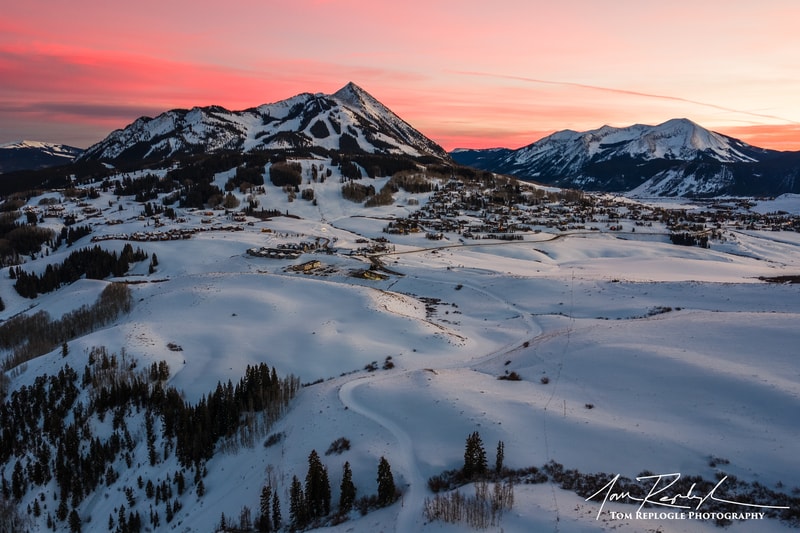 This spot was recommended by a local resident
When to Give Up on a Location
Not every promising location works out:
- Can’t solve access issues: Private property, dangerous conditions
- Light never works: Wrong orientation for good light
- Too many distractions: Can’t eliminate cluttered elements
- Better options exist: Time is limited, prioritize better locations
Building Your Location Library
Over time, I’ve built a database of locations including:
- GPS coordinates
- Best times to shoot
- Specific compositions that work
- Access notes and considerations
- Seasonal variations
This library becomes invaluable for planning future shoots and returning to proven locations during optimal conditions.
The Payoff
Location scouting takes time and effort, but the payoff is huge:
- Confidence during actual shoots (you know exactly what to expect)
- Unique images others don’t have
- Efficient use of shooting time
- Better understanding of how to read landscapes
Great landscape photography isn’t about stumbling onto beautiful scenes—it’s about systematically finding, evaluating, and planning to photograph them under optimal conditions.
Get out there, explore systematically, and build your own library of secret spots. The images you create from locations you’ve discovered yourself will always be more satisfying than shooting well-worn tourist viewpoints.
Happy scouting!